


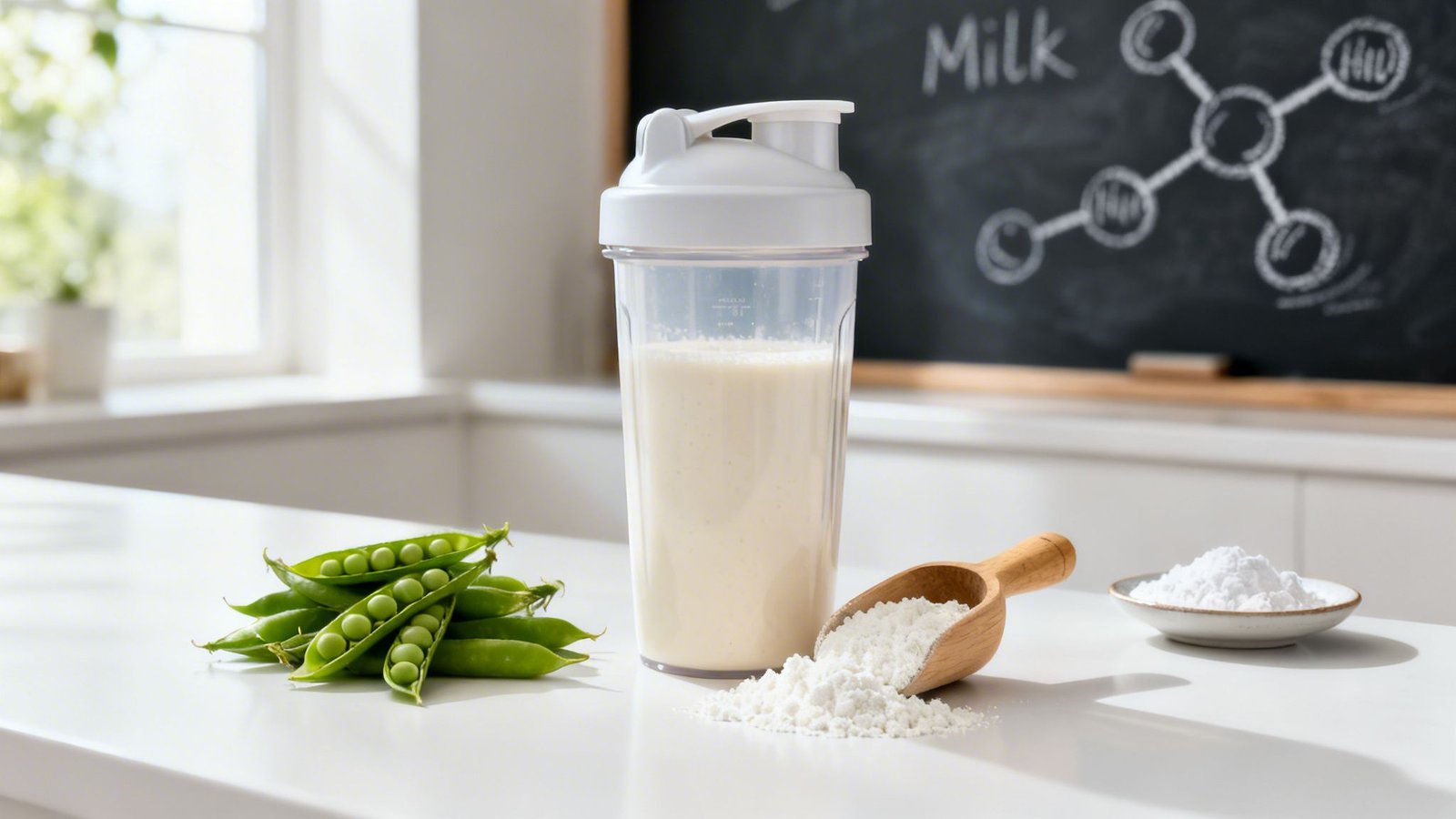
A lactose free protein shake is simply a protein supplement that won't punish your stomach. It’s made for anyone who wants the muscle-building and recovery benefits of protein without the digestive drama that often comes with traditional dairy-based powders. We'll be reviewing the best options for 2026, which use smarter filtration or plant-based ingredients to get the job done right.
Your Guide to the Best Lactose Free Protein Shakes

If you've ever felt bloated, gassy, or just generally miserable after a protein shake, you know how frustrating it is. That post-workout drink is supposed to help you recover, not send your stomach into a tailspin. It's a surprisingly common problem, and for a long time, the only choices were to either tough it out or give up on protein supplements completely.
Thankfully, that's no longer the case. The world of protein powders has come a long way, and finding a high-quality lactose free protein shake is easier than ever. You don’t have to compromise between hitting your fitness goals and feeling good.
Why Lactose-Free Formulas Are a Game Changer
So, what makes these formulas different? It all comes down to ditching lactose, the milk sugar that causes all the trouble. People with lactose intolerance don't produce enough of an enzyme called lactase, which is needed to break that sugar down. When it goes undigested, your gut rebels.
Modern lactose-free powders get around this problem in a couple of clever ways:
- Smarter Filtration: Take whey protein isolate, for example. It goes through a fine-tuned filtering process that strips out almost all the lactose and fat. What’s left is an incredibly pure protein that most people with lactose sensitivity can handle without issue.
- Plant-Powered Blends: A huge variety of shakes now use proteins from sources like peas, soy, brown rice, or hemp. These are naturally 100% lactose-free from the start. When combined correctly, they provide all the essential amino acids your body needs to build and repair muscle.
This guide is here to help you navigate your options. We’ll break down exactly what to look for, so you can finally find a protein that works with your body, not against it.
The real win here is simple: A lactose free protein shake lets you nail your nutrition and recovery without worrying about digestive side effects sabotaging your hard work.
At the end of the day, switching to a lactose-free option isn't just about avoiding a stomach ache. It’s about giving your body the fuel it needs in a way it can actually use, helping you recover faster and get stronger. Whether you're a serious athlete or just want to boost your daily protein intake, finding the right shake changes everything. In the next sections, we'll get into the details of lactose intolerance and check out the top products for 2026 to help you find your perfect fit.
Ever chugged a post-workout shake and spent the next hour feeling bloated, gassy, and just plain uncomfortable? You’re definitely not alone. It’s a classic story, and the culprit is often lactose intolerance—the very reason so many people are making the switch to a lactose free protein shake.
So, what's actually happening in your gut? At its core, lactose intolerance is a simple digestive issue. Milk contains a natural sugar called lactose, and your body needs a specific enzyme, lactase, to break it down. When you don't produce enough lactase, that sugar passes through your system undigested, and that's when the trouble starts.
Why Your Gut Rebels
Think of lactase as a tiny pair of scissors. Its only job is to snip the lactose molecule into two smaller, simple sugars—glucose and galactose—that your body can easily absorb for energy. If you’re short on those scissors, the lactose molecule stays intact, fermenting in your gut and causing all sorts of chaos.
This leads to those tell-tale symptoms:
- Painful bloating and pressure
- Gas and stomach rumbling
- Cramps
- Diarrhea
It’s crucial to know this isn't a dairy allergy. An allergy is your immune system overreacting to milk protein, which can be serious. Lactose intolerance is just a mechanical problem—your body simply lacks the right tool to process the sugar.
How Digestive Issues Wreck Your Fitness Gains
That post-shake discomfort is more than just an annoyance; it’s actively sabotaging your hard work in the gym. When your digestive system is compromised, your ability to perform and recover takes a direct hit.
Poor gut health can zap your energy, making it tough to give your all during a workout. More importantly, it gets in the way of nutrient absorption. If your body is struggling to break down your protein shake, you’re not getting the full payload of amino acids your muscles need to repair and grow. You’re essentially short-changing your recovery.
For anyone serious about training, think of your digestive comfort as a performance metric. If your protein shake leaves you bloated and cramping, it's slowing down your recovery, tanking your workout intensity, and ultimately holding you back.
It’s no surprise, then, that the demand for gut-friendly options is exploding. The market for lactose-free protein drinks is projected to grow by 7.1% annually between 2025 and 2031, as more and more athletes refuse to let digestive issues get in their way.
Choosing a lactose free protein shake isn't just about avoiding a stomach ache. It’s about making sure your body can actually use the fuel you’re giving it. For more on getting your nutrition timing right, check out our guide on whether you should you take protein during a workout. Making this simple switch is a smart, strategic move to support your fitness goals from the inside out.
Comparing the Top Lactose-Free Protein Sources
When you're hunting for a lactose-free protein shake, it's easy to get overwhelmed. But here's the thing: not all protein sources are the same. The type of protein you choose can make a world of difference in everything from how your stomach feels to how quickly your muscles recover. Let's walk through the top contenders so you can find the perfect fit for your body and your fitness goals.
If you’ve ever felt that tell-tale bloating after a glass of milk, you know what lactose intolerance feels like. This diagram breaks down exactly what's happening inside your gut.

Simply put, without enough of the lactase enzyme to break down milk sugar (lactose), your digestive system rebels. That’s why picking the right protein source is non-negotiable.
Whey Protein Isolate: The Purified Powerhouse
For many, whey protein isolate is the go-to solution for getting the benefits of dairy without the digestive drama. Think of it as whey protein that’s been through a high-tech purification process. This intensive filtering strips out the vast majority of the troublemakers—lactose and fat.
What you're left with is an incredibly pure protein, often clocking in at 90% or more protein by weight. With so little lactose left, most people with an intolerance can drink it without a single issue. It’s a fantastic way to get whey's proven muscle-building power in a gut-friendly package.
Whey isolate gives you that fast-absorbing, complete amino acid profile that’s perfect for post-workout recovery. The only catch? If you have an extreme sensitivity to dairy, you might still need a completely dairy-free option.
Hydrolyzed Whey: The Pre-Digested Speedster
Now, let's take things a step further. Hydrolyzed whey is what you get when whey isolate goes through an extra process that essentially "pre-digests" it. The long protein chains are broken down into much smaller pieces called peptides.
This matters for two big reasons:
- Lightning-Fast Absorption: Your body can soak up these tiny peptides even faster than regular isolate, making it a top-tier choice for serious athletes who need immediate muscle repair.
- Extremely Gentle on the Stomach: The process removes even more potential irritants, making it one of the safest dairy-based proteins you can find for a sensitive gut.
The main trade-off is the price tag; all that extra processing makes it more expensive. Some people also notice a slightly more bitter taste, though manufacturers have gotten much better at masking it.
Plant-Based Proteins: The Natural Alternative
The world of plant-based protein has absolutely exploded, and today’s options are powerful, effective, and naturally 100% free of lactose. You’ll most often find powders made from sources like pea, soy, or hemp, which are frequently blended together to create a more complete amino acid profile.
- Pea Protein: A fantastic source of branched-chain amino acids (BCAAs), which are vital for muscle growth. It also has a mild flavor and mixes well.
- Soy Protein: One of the few plants that provides a "complete" protein, meaning it contains all nine essential amino acids your body can't make on its own.
- Hemp Protein: A great all-rounder that delivers healthy fats and fiber along with a solid dose of protein.
Don't underestimate these plant-based blends; modern formulas are specifically designed to go toe-to-toe with whey for muscle-building effectiveness. They're the obvious choice for vegans, but also for anyone who just wants to steer clear of dairy altogether. If you're new to protein powders in general, our guide on the best protein powder for beginners is a great place to get your bearings.
Alright, we’ve covered the science behind lactose-free protein. Now for the fun part: putting it all into practice. We've shaken, tasted, and scrutinized our way through a mountain of protein powders to bring you our top picks for 2026. This isn't just another list—it's the result of hours of real-world testing to find the shakes that actually deliver on their promises.
Our team got hands-on with dozens of the most popular options on Amazon. We judged them on the things that really matter: clean labels, how well they mix, how they feel in your gut, and whether the protein-per-dollar value makes sense. We’ve included a little something for everyone, from whey isolates and hydrolyzed proteins to some fantastic plant-based blends.
It’s no surprise there are so many great lactose-free choices these days. The U.S. protein shake market is booming—it was valued at a massive $5.86 billion USD in 2023 and is expected to skyrocket to $14.58 billion USD by 2033. This growth is fueled by people like us needing convenient nutrition that fits a busy lifestyle, which means better, cleaner formulas are hitting the shelves all the time. If you’re curious, you can explore more details on this growing market to see just how big this trend has become.
Ready to find a protein powder you’ll actually look forward to drinking? Let’s get into the reviews.
1. Dymatize ISO100 Hydrolyzed Whey Isolate
Dymatize ISO100 has earned its legendary status in gyms everywhere. It’s a smart blend of whey protein isolate and hydrolyzed whey, creating a formula that’s incredibly pure, absorbs in a flash, and is exceptionally easy on your stomach. It’s built from the ground up for one thing: fast muscle repair. You’re getting a clean 25 grams of protein in every scoop, with practically no lactose, fat, or sugar in sight. The "hydrolyzed" part is key—it means the protein has been broken down into smaller pieces, or "pre-digested," so your muscles can start using it almost immediately after a tough session.
Pros:
- Ultra-Fast Absorption: The hydrolyzed whey is perfect for that critical post-workout window when your muscles are screaming for nutrients.
- High Purity: With 25g of protein and just 1g of carbs, it’s a bodybuilder's dream for building lean muscle.
- Mixes Like a Dream: It dissolves instantly in a shaker bottle with just a few shakes—no annoying clumps.
Cons:
- Premium Price: All that advanced filtering and processing comes at a cost, making it one of the pricier options.
- Thin Consistency: If you prefer a thick, milkshake-like texture, you might find this one a bit watery.
Summary:
ISO100 is the top-tier choice for serious athletes or anyone who puts rapid recovery and ingredient purity above all else. If you're ready to invest in a fast-acting protein to get the most out of every workout, this is it.
2. Optimum Nutrition Gold Standard 100% Isolate
Optimum Nutrition’s Gold Standard is a name everyone trusts, and their 100% Isolate version is a fantastic upgrade for anyone sensitive to lactose. They use a sophisticated series of filtering techniques to strip out nearly all the unwanted fat, cholesterol, and sugar, leaving behind almost pure protein. It packs a solid 25 grams of protein per serving with only a single gram of carbs, putting it right up there as another great choice for lean gains. It's one of those products that just works, from a brand that’s built its reputation on quality.
Pros:
- Great Taste and Flavor Options: It comes in a bunch of flavors that actually taste good, which is a huge plus for a daily shake.
- Rock-Solid Reputation: Optimum Nutrition is known for its rigorous quality control and third-party testing, so you know what's on the label is in the tub.
- High-Impact Protein Dose: You get a powerful serving of protein without a lot of unnecessary fillers.
Cons:
- Uses Artificial Sweeteners: It’s sweetened with sucralose, which is a deal-breaker for some people.
- Can Get Foamy: Sometimes shaking it creates a lot of foam that needs a minute or two to settle before you can drink it.
Summary:
This is the perfect shake for the everyday gym-goer who wants a dependable, great-tasting whey isolate from a brand they can count on. It offers an excellent middle ground between elite performance, enjoyable flavor, and overall value.
3. Orgain Organic Vegan Protein Powder
If you're going the plant-based route, Orgain's Organic Vegan Protein Powder is easily one of the best out there. It cleverly combines pea, brown rice, and chia seed proteins to give you a complete amino acid profile, which is essential for muscle repair. And, of course, it's naturally 100% lactose-free. Each serving gives you 21 grams of protein and a nice boost of organic fiber. That fiber does more than just help with digestion; it also makes the shake more filling, which is great if you’re using it as a snack or light meal replacement.
Pros:
- Clean, Organic Ingredients: It’s USDA-certified organic, non-GMO, and contains no artificial junk. It’s about as clean as it gets.
- Keeps You Full: Thanks to the added fiber, this shake has more staying power than most whey proteins.
- Surprisingly Smooth: For a plant protein, it mixes quite well and avoids that gritty, sandy texture that plagues so many other vegan powders.
Cons:
- Slightly Less Protein: At 21g per scoop, it has a little less protein than the top-tier whey isolates.
- Earthy Flavor Profile: While many people love it, there’s no hiding the distinct plant-based taste, which might not be for everyone.
Summary:
Orgain is the go-to for anyone who prioritizes clean, organic, and plant-based nutrition. It's an incredibly versatile powder that’s perfect for post-workout smoothies, a quick breakfast, or just keeping hunger at bay.
How to Choose the Right Lactose-Free Protein Shake for You

Picking out a lactose-free protein shake shouldn't feel like a shot in the dark. Once you learn how to read a nutrition label like a pro, you can walk down the supplement aisle and confidently grab the right product for your goals. It really comes down to knowing what you're looking for—and just as importantly, what to steer clear of.
The first thing my eyes jump to is the protein-to-serving ratio. Any high-quality powder worth its salt should deliver at least 20-25 grams of protein per scoop. This is the sweet spot that ensures you’re getting a powerful dose for muscle repair, not just a scoop full of fillers.
From there, I scan the ingredients list for hidden troublemakers. You'd be surprised how many companies bulk up their powders with unnecessary sugars, corn syrup solids, or artificial thickeners to make them taste better. You also have to watch out for sneaky dairy derivatives like "milk solids," which can still cause that familiar digestive upset. A clean, short, and recognizable ingredient list is always a green flag.
Decode the Label for Peak Performance
Don't be fooled by the flashy marketing claims on the front of the tub. The real story is always on the back, tucked away in the nutrition facts and ingredient list. Think of it as your cheat sheet for making a smart choice.
Your Label-Reading Checklist:
- High Protein per Scoop: Does it hit that 20-gram minimum?
- Low Sugar Content: Look for powders with 5 grams of sugar or less per serving. Anything more is creeping into dessert territory.
- Clean Ingredient List: Can you pronounce everything? Avoid powders with a long chemical roster.
- No Hidden Lactose: Watch for terms like "non-fat dry milk" or "milk solids" if you're sensitive.
The most powerful tool you have is right in your hands: the ability to read and understand that nutrition label. A clean, high-protein formula will always outperform one loaded with sugars and fillers, no matter how famous the brand is.
The good news is that your options are exploding. The global market for dairy-free, ready-to-drink protein shakes is growing at a staggering pace, projected to leap from $2.37 billion USD in 2024 to $6.6 billion USD by 2035. This boom means more competition, which ultimately leads to better formulas and more choices for you.
Match the Protein to Your Goals
Beyond just reading the label, you need to think about what you want your protein to do for you. Different protein sources are absorbed at different speeds, which makes them better for specific times and goals.
For instance, a fast-absorbing whey protein isolate is perfect for that post-workout window. It rushes amino acids directly to your muscles, kickstarting the recovery process when your body is craving it most. Our guide on what you should have as part of post-workout nutrition breaks this down even further.
On the flip side, a slower-digesting plant-based blend (like pea and rice) or a casein protein is fantastic for all-day satiety. I often recommend these as a meal replacement or a pre-bedtime shake. They provide a slow, steady release of protein that helps keep you full and prevents muscle breakdown overnight.
Finally, always look for third-party certifications like NSF Certified for Sport or Informed-Sport. These seals mean the product has been rigorously tested for purity and banned substances. It's your ultimate peace of mind that what’s on the label is exactly what’s in your scoop.
Conclusion
Finding a great lactose free protein shake is easier than ever, and it means you can fuel your muscles without worrying about uncomfortable side effects. By learning to read labels and understanding the difference between whey isolate and plant-based blends, you're empowered to choose a product that aligns perfectly with your body and fitness goals. The best protein shake is the one that helps you recover, feel strong, and stay consistent.
FAQ
Is whey protein isolate really 100% lactose-free?
Not always, but it's very close. High-quality whey isolates are heavily filtered to remove the vast majority of lactose, making them suitable for most people with an intolerance. However, for those with extreme sensitivity, trace amounts might still cause issues. In that case, a 100% dairy-free option like a plant-based protein is the safest bet.
Can I build muscle effectively with plant-based protein?
Absolutely. This is a common myth that has been thoroughly debunked. Modern plant-based protein powders, especially those that blend sources like pea and brown rice, provide a complete amino acid profile that is just as effective as whey for muscle repair and growth.
What's the best way to improve the taste of my protein shake?
An easy upgrade is to mix your powder with a dairy-free milk like unsweetened almond or oat milk instead of water for a creamier texture. For even better flavor, use a blender and add ingredients like a handful of frozen fruit, a spoonful of nut butter, or a dash of cinnamon.
At Energy Supplement Reviews, our goal is to give you expert-backed guides you can trust to train smarter and hit your fitness goals. For more in-depth reviews and tips on nutrition, workouts, and supplements, explore everything we have to offer at https://energysupplementreviews.com.
