


You finish the morning session feeling sharp. The bar moves well, your pacing is on point, and your effort feels productive.
Then the second workout arrives. Your legs feel flat, your focus drops, and the session turns into survival instead of quality work.
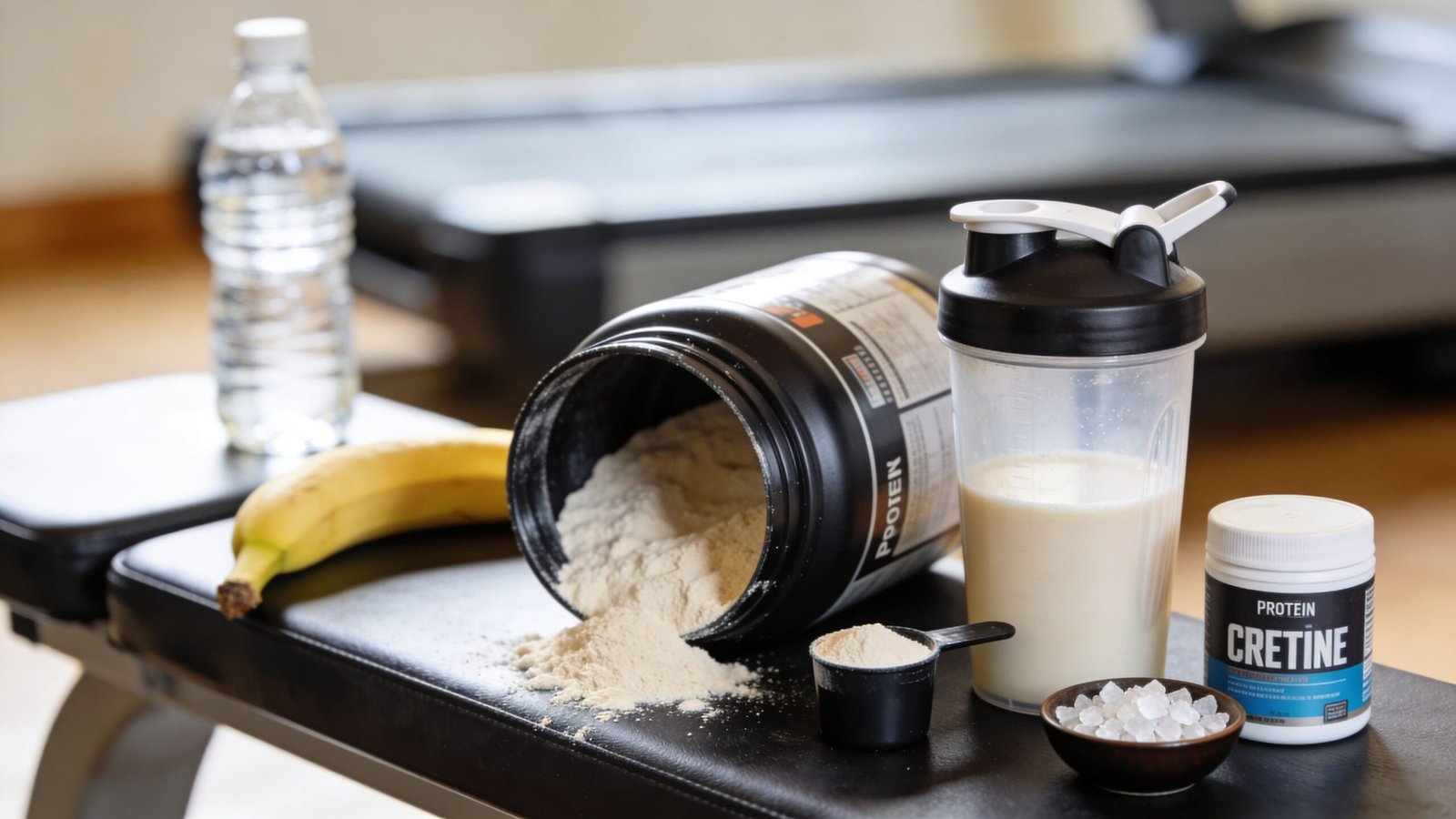
That drop-off is not a motivation problem. It is a recovery gap. Between sessions, you have to replace fuel, start muscle repair, restore fluid balance, and show up again without carrying the full cost of the first workout into the second. For athletes chasing the best recovery power formula for two a day training athletes, the right powder is not a convenience item. It is a tool for protecting performance later the same day.
Why Your Second Workout Feels Weaker Than Your First
Most two-a-day athletes know the pattern. The first session gets your best output. The second exposes everything you missed between workouts.

A morning lift followed by an evening conditioning session is a common example. So is an early run before an afternoon field practice. If you sip water, delay food, or take a protein shake with almost no carbs, the second session feels heavy and underpowered.
The primary problem is the gap between sessions
The first workout drains glycogen, creates muscle damage, and raises fluid needs. If your refill plan is weak, the second session starts with the tank half full.
That is why recovery has to be treated like part of training. Compression garments show that targeted recovery work can produce measurable benefits for two-a-day athletes, with effect sizes up to 1.33, including 1.14 for strength recovery between 2 to 8 hours post-exercise and 1.03 at 24 hours according to this compression garment recovery review. Nutrition belongs in that same serious category.
What usually does not work
A lot of athletes make one of these mistakes:
- Protein only: They drink whey after session one and assume recovery is covered.
- Late refueling: They wait until the next full meal, even when the next workout is not far away.
- Low electrolyte intake: They replace sweat losses with plain water and feel worse later.
- Random product choice: They buy whatever says “recovery” on the label without checking the carb load.
If your first workout includes repeated intervals, circuits, sport practice, or high-volume lifting, the product has to support fast refueling. If you want more background on carbs during hard training, this guide on the best intra workout carb formula for high intensity interval athletes is a useful companion read.
Coach’s rule: If the second workout matters, your post-workout drink after session one has to do more than just provide protein.
Building Your Perfect Recovery Formula Blueprint
The fastest way to choose the right Amazon product is to stop thinking in terms of brand hype and start thinking in terms of formula fit.
An effective recovery powder for two-a-day training has three jobs. It needs to restore carbohydrate availability, deliver enough protein to start repair, and help you recover fluid balance well enough to train again.

Start with carbohydrates, not just protein
For two-a-day athletes, the evidence-backed post-workout target is 1 to 1.2 grams of carbohydrate per kilogram of body weight within 30 to 60 minutes post-workout, combined with 15 to 25 grams of protein according to this guide on fueling two-a-day workouts.
That matters because the second session fails before muscle repair becomes the limiting factor. It fails because the athlete never properly restored fuel.
A quick reference point:
| Athlete bodyweight | Carbohydrate target after session |
|---|---|
| 60 kg | 60 to 72 g carbs |
| 75 kg | 75 to 90 g carbs |
| 90 kg | 90 to 108 g carbs |
Many “recovery” powders on Amazon miss this. They may provide decent protein but not enough carbohydrates to support between-session glycogen restoration.
Protein matters, but the dose has to fit the window
The same post-workout protocol above sets 15 to 25 grams of protein as the practical immediate target. That is enough for many athletes to begin recovery without turning the shake into a slow, heavy meal.
For total daily intake, two-a-day athletes need more. High-output training calls for sufficient daily protein and carbohydrates, when training load is high and recovery has to happen quickly. That broader framework is useful when judging whether a powder helps or only covers a small slice of the day.
The best ratio is the one that matches your session demands
A lot of athletes ask for the perfect carb-to-protein ratio. In practice, I look for a formula that lands near the needs above and leaves room for small adjustments with fruit, cereal, milk, or extra powder.
For most two-a-day situations, a strong recovery formula should have:
- A carb-forward profile: The product should prioritize carbohydrate delivery over high protein alone.
- A practical protein hit: Enough protein to begin repair without making the drink too slow or too filling.
- Easy stacking potential: You should be able to adjust it with whole foods if needed.
If your powder gives you solid protein but little carbohydrate, it is better as a general post-lift shake than as a true same-day recovery tool.
Electrolytes are the tie-breaker most labels hide
Electrolytes are where many labels get vague. Some formulas include them as a side note, not as a central feature.
That matters more than many athletes realize, after hot-weather training, indoor sweat-heavy sessions, or long practices. A formula with a serious approach to electrolyte replacement is the better choice for the second workout, even if another powder has flashier extras.
Practical takeaway: For the best recovery power formula for two a day training athletes, carbs come first, protein comes next, and electrolyte support often decides whether the second session feels stable or sloppy.
What helps and what is mostly extra
Here is how I rank common label features.
Worth prioritizing
- Fast-digesting carbs: Useful when time between sessions is short.
- Whey isolate or a clean whey blend: Good fit when you want fast protein delivery.
- Electrolytes: Useful for heavy sweaters and outdoor athletes.
- Simple ingredient deck: Easier to digest and easier to scale.
Nice, but not essential
- BCAAs: Not a deciding factor if the formula already has complete protein.
- Digestive enzymes: Fine if your gut is sensitive, but not a core reason to buy.
- Added creatine: Helpful for some athletes, though it is not the main recovery criterion here.
Overrated
- Pixie-dust “recovery blends”
- Exotic botanicals with no clear role in immediate between-session fueling
- High protein with low carbs marketed as complete recovery
The label test I use on Amazon
Before buying, check four things:
- Carbs per serving
- Protein per serving
- Electrolyte transparency
- How easily one serving can be scaled to your bodyweight and training day
If a product passes those four checks, it is worth considering. If it fails two of them, move on.
Top Tier Recovery Powders for Peak Performance
Premium recovery products earn their place when they solve real training problems. The best ones are easy to digest, easy to scale, and built for athletes who care about the second session as much as the first.

Daily intake still matters beyond one shake. High-output athletes need 1.6 to 2.4 g/kg/day protein and 5 to 10 g/kg/day carbohydrates, and recovery markers vary a lot between individuals, with soreness and sleep often playing a major role according to this high-output recovery article. That is why a powder should match your own training response, not look good on paper.
Optimum Nutrition Serious Mass
This is not a pure recovery product. It is a calorie-dense mass gainer that some two-a-day athletes use as a recovery hammer when they struggle to eat enough or maintain bodyweight during hard blocks.
For lean athletes with brutal training loads, it can work. For everyone else, it is too much.
Pros
- Very carb-heavy profile: Useful for athletes who need a large recovery hit after draining sessions.
- High total calorie load: Helps athletes who consistently under-eat.
- Widely available on Amazon: Easy to reorder and familiar to many lifters.
- Can replace a missed meal: Helpful on days when food access is poor.
Cons
- Heavy texture: Not ideal if you have another workout soon and want a lighter stomach.
- More than many athletes need: Easy to overshoot your between-session needs.
- Less precise: Better for hardgainers than for athletes who want tight control over intake.
Summary
Best for the athlete in a size or maintenance phase who burns through food fast and needs a blunt-force recovery option.
Gatorade Recover Whey Protein Bar and Powder line
Gatorade’s recovery products are built around convenience and athlete familiarity. The powder options are straightforward and easier to use immediately after field sessions, conditioning, or team practice.
This line makes sense for athletes who want something uncomplicated and fast.
Pros
- Athlete-friendly flavor profile: Easy to get down when appetite is low.
- Simple use case: Good after sport practices and conditioning work.
- Brand focus on sports fueling: More carb-aware than standard protein products.
- Good Amazon availability: Commonly in stock.
Cons
- Formula varies by product: You need to check the exact powder, not rely on brand name alone.
- Less appealing for athletes wanting minimal ingredients: Some buyers prefer a cleaner label.
- Can be outclassed by custom stacking: Buying separate carbs and protein can give more control.
Here is a helpful training video if you want a quick visual on post-workout recovery habits and supplement use before you choose a formula.
Summary
Best for field sport athletes and general trainees who want easy, recognizable recovery nutrition without building a custom shake from scratch.
Naked Mass
Naked Mass sits in the premium simple-ingredient category. It appeals to athletes who want a shorter label and who dislike engineered blends.
I like it more for athletes who recover well on larger mixed shakes and less for those who need a fast, light post-session drink.
Pros
- Straightforward ingredient profile: Better fit for label-conscious buyers.
- Strong carb support: Better aligned with recovery needs than low-carb protein products.
- Good for athletes who need extra calories: Useful in high-volume phases.
- Mixes well with milk, oats, fruit, or yogurt: Flexible if you build your own shake.
Cons
- Still a large feeding: Can feel too dense between close sessions.
- Not ideal for every body-composition goal: Some athletes need tighter calorie control.
- Less targeted electrolyte emphasis: Better as a carb-protein base than a full recovery solution.
Summary
Best for athletes who want fewer ingredients and do well with bigger blended shakes after training.
Excellent Value Recovery Formulas for Consistent Gains
Some athletes train hard year-round and need a formula they can buy repeatedly without feeling punished at checkout. That is where value products matter.
These are the workhorse options. They may not have premium branding or layered extras, but they can cover the essentials for consistent two-a-day use.
Body Fortress Super Advanced Whey Protein with added carbs from food
This one is not a complete recovery formula by itself. It becomes a value recovery option when you use it intelligently.
Pair it with cereal, fruit juice, bananas, oats, or low-fat chocolate milk and it turns into an effective low-cost recovery setup.
Pros
- Budget-friendly protein base: Good for athletes who already keep carb foods on hand.
- Easy Amazon buy: One of the more accessible options.
- Flexible: You control how much carb to add based on the day.
- Works well for lifters: If session two is not extremely glycolytic.
Cons
- Incomplete on its own: Not enough as a two-a-day recovery formula if used as only protein.
- Requires planning: You need to add carbs yourself.
- Electrolytes are not the selling point: Sweaty athletes may need a separate hydration plan.
Summary
Best for disciplined athletes who want to build their own recovery shake cheaply.
Muscle Milk Gainer Protein Powder
Muscle Milk Gainer sits between a protein shake and a mass-oriented recovery product. It is more practical than some giant gainers, but more substantial than a standard whey.
That makes it useful for athletes who need more support than whey alone without jumping to the heaviest formulas on Amazon.
Pros
- Balanced use case: Better than plain whey for athletes needing more carbs and calories.
- Convenient all-in-one feel: Easier than piecing together multiple products.
- Widely sold on Amazon: Reliable availability.
- Works well after long practices: When a full meal is delayed.
Cons
- Can be heavier than needed: Smaller athletes may want to split servings.
- Not the cleanest label in the category: Some buyers will prefer simpler products.
- May need electrolyte help: After hot outdoor sessions.
Summary
Best for athletes who want an affordable all-in-one option without going full mass gainer.
Value rule: A cheaper product is only a good value if it still lets you hit your carb target after session one.
Specialized Recovery Blends for Specific Athlete Needs
Not every athlete needs the same recovery formula. A soccer player training in heat, a weight-class athlete watching calories, and a hardgainer chasing bodyweight all need different things from Amazon.

Electrolytes become a critical differentiator here. Guidance focuses on carbs and protein, but a gap exists in electrolyte quantification, and inadequate sodium repletion after a heavy sweat session can impair fluid absorption and raise cramping risk during workout two according to this two-a-day fueling article from Featherstone Nutrition.
Tailwind Recovery Mix
Tailwind Recovery Mix makes sense for endurance athletes, hybrid athletes, and outdoor trainees who want a lighter-feeling drink that addresses the basics.
It is useful when heat, sweat loss, and fast turnaround matter more than chasing extra calories.
Pros
- Lighter profile: Easier to tolerate after hard runs, rides, and conditioning.
- Endurance-friendly positioning: Good fit for athletes who prioritize quick rehydration and refueling.
- Simple use case: Mix, drink, move on.
- Better match for outdoor athletes: Those who care about fluid replacement alongside fuel.
Cons
- May be too light for large strength athletes: Bigger athletes may need more total intake.
- Not ideal for mass gain phases: Better for performance support than scale weight.
- Some athletes will still need added carbs or food: Depends on session length and body size.
Summary
Best for endurance-focused two-a-day athletes and anyone training in warmer conditions.
Transparent Labs Mass Gainer
Transparent Labs Mass Gainer is for the athlete who wants a more premium weight-support option with a cleaner reputation than some older-school gainers.
It is specialized because it works best for a narrow group. Hard-training athletes who lose weight, struggle to hit calories, or run a hypertrophy block with two sessions can benefit most.
Pros
- Useful for hardgainers: Helps cover large intake needs when whole-food appetite lags.
- Better fit for muscle-focused phases: When size and recovery both matter.
- Transparent brand positioning: Appeals to buyers who care about label clarity.
- Can double as a meal bridge: Handy between training and work.
Cons
- Too much for some athletes: Poor fit for those focused on staying light.
- Heavier digestion than a lean recovery drink: Not ideal before a short turnaround.
- Higher cost than budget options: You pay for positioning and formula style.
Summary
Best for athletes in a muscle-gain phase, not for those wanting the leanest post-workout option.
If you are choosing a formula with creatine built in, or considering adding it separately, this guide on how to use creatine for muscle growth will help you fit it into the rest of your plan.
The Verdict and How to Maximize Your Recovery Shake
If I had to name one overall winner for most athletes shopping Amazon, Tailwind Recovery Mix gets the nod. It is the most practical fit for the broadest group of two-a-day athletes because it respects the primary job of a recovery drink. Restore fuel, deliver useful protein, and stay easy to drink when time and appetite are limited.
The best value winner is Body Fortress Super Advanced Whey Protein used with added carb foods. It is not the most complete out of the tub, but it gives disciplined athletes a low-cost way to build an effective recovery setup without paying for flashy extras.
Best picks by athlete type
| Athlete type | Best fit |
|---|---|
| Endurance or field athlete | Tailwind Recovery Mix |
| Hardgainer in a high-volume phase | Transparent Labs Mass Gainer |
| Budget-focused lifter | Body Fortress plus carb add-ons |
| Athlete wanting simple ingredients | Naked Mass |
How to make any good formula work better
A recovery shake is one feeding, not your full recovery plan. Protein distribution across the day matters. Research supports spreading protein intake at about 0.4 to 0.5 g/kg every 3 to 4 hours to maximize cumulative protein synthesis over the day according to this protein distribution guide.
That means your post-workout shake should sit inside a bigger rhythm.
Use this approach
- Take the shake soon after session one: Do not drift for hours and expect the second session to feel good.
- Eat another balanced meal later: Keep recovery moving instead of treating the shake as the whole plan.
- Distribute protein across the day: Avoid the common mistake of one giant protein hit and weak meals later.
- Adjust by your feedback: Energy, soreness, stomach comfort, and sleep tell you whether the formula fits.
If you want to dial in daily timing, this guide on how many protein shakes a day is a helpful next step.
Bottom line: The best recovery power formula for two a day training athletes is the one that helps you show up stronger in workout two, not the one with the most aggressive label.
Frequently Asked Questions About Recovery Nutrition
Can whole foods replace a recovery powder?
Yes.
A powder is useful because it is fast, portable, and easy to tolerate when appetite is low. But if you can eat right after training, whole foods can do the job.
Good practical combinations include:
- Chocolate milk plus fruit
- Greek yogurt with berries and granola
- Whey mixed with cereal and milk
- Rice, lean protein, and a sports drink when you want a full meal
The key is not whether it comes from a tub. The key is whether you get enough carbs, enough protein, and enough fluid in time to support the next session.
Do I need a recovery formula after both workouts?
No.
After the first workout, it is more important because you are trying to recover for another session the same day. After the second workout, your next feeding can be a shake or a full meal depending on schedule, appetite, and total daily intake.
If your evening session ends close to dinner and you can eat well, a powder may be optional. If you finish late, feel depleted, or struggle to eat enough, a shake makes the job easier.
What if my two workouts are very different?
Then your recovery setup should reflect that.
A heavy lift in the morning followed by easy mobility later is different from a morning interval run followed by evening sport practice. The more glycogen-demanding the first session is, the more important your carb intake becomes.
A few simple rules help:
- Strength then conditioning: Use a carb-forward recovery formula after the strength session.
- Endurance then endurance: Prioritize drinkability, carbs, and electrolytes.
- Strength then technique work: You may not need the heaviest carb load, but under-fueling backfires.
Should I buy a formula with electrolytes or handle that separately?
If you sweat heavily, train outdoors, or work out in heat, I prefer products that take electrolyte support seriously.
A plain protein powder plus water is not enough for athletes doing high-sweat two-a-days. In that case, either choose a more complete recovery product or pair your shake with a dedicated hydration strategy.
Is a mass gainer automatically the best recovery formula?
No.
A mass gainer is best when you burn through calories, lose bodyweight, or need aggressive intake support. It is not best for performance, digestion, or body composition.
For many athletes, a lighter carb-plus-protein recovery formula works better between sessions because it clears the stomach faster and gives the body what it needs.
What should I watch after switching products?
Track what matters in practice.
Look at:
- Your energy in session two
- How your stomach feels
- Whether soreness lingers into the next day
- Your ability to hit planned training intensity
- Whether your appetite stays manageable across the day
The right product makes the second workout feel more stable. It should not leave you bloated, sluggish, or underfed.
If you want more practical supplement breakdowns, training nutrition guides, and no-nonsense product comparisons, visit Energy Supplement Reviews. It is a strong resource for athletes who want to train hard, recover better, and buy smarter on Amazon.
