


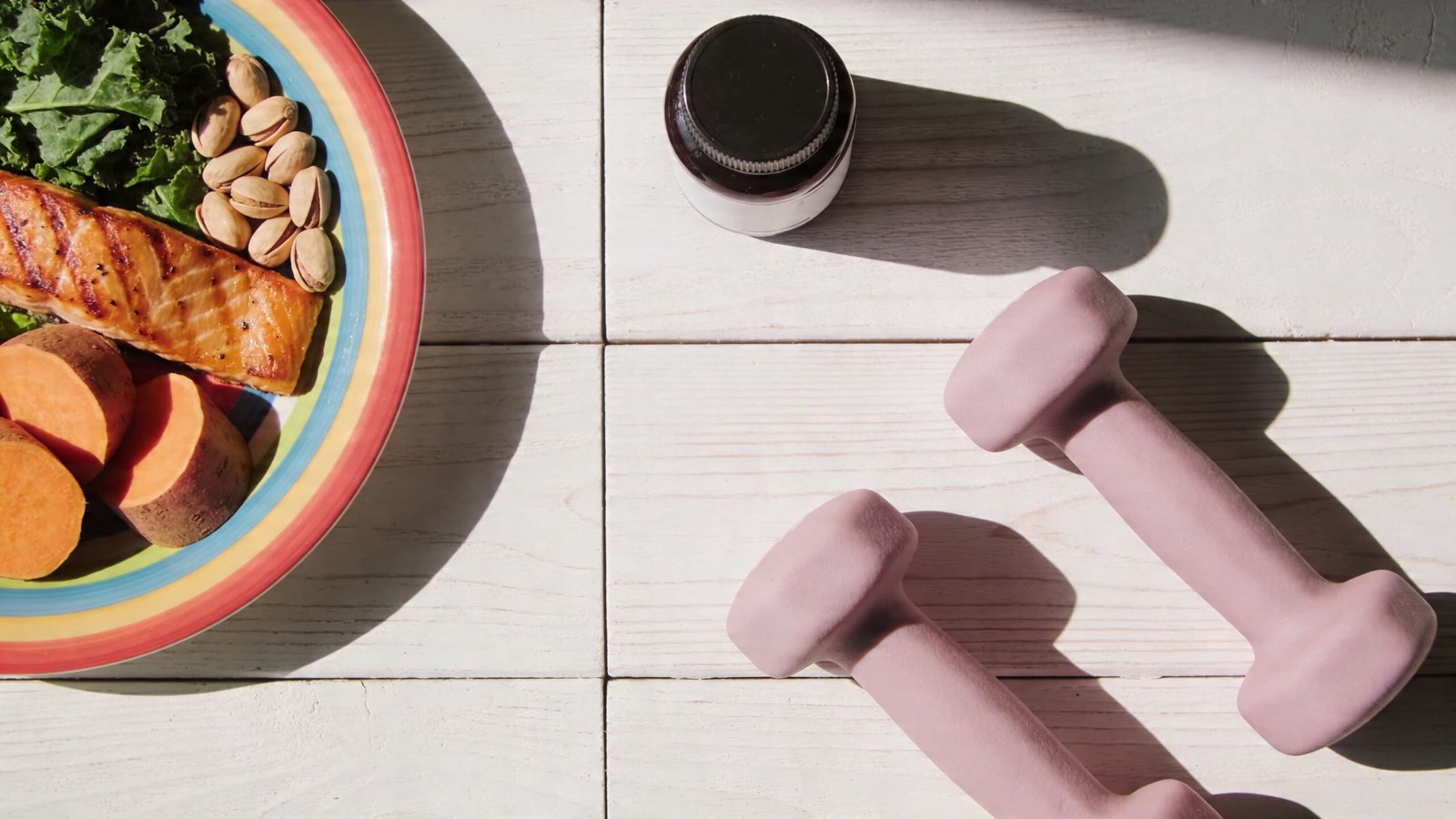
You eat well. You show up for training. You try to stay consistent. Yet your workouts still feel like you're moving through wet cement, and the fatigue after them feels out of proportion to the effort.
That pattern is common in people dealing with thyroid-related fatigue. It isn't laziness, poor discipline, or a lack of motivation. Often, it's a mismatch between what your body needs for hormone support and what your current diet, recovery, and supplement routine are providing.
The best nutrition plan and supplements for thyroid fatigue and workouts have to do two jobs at once. They need to support thyroid physiology, and they need to help you train without digging a deeper recovery hole. Food is the foundation. Supplements can help, but only when they fit the person, the labs, and the training load.
The Hidden Struggle of Thyroid Fatigue and Fitness
A lot of readers arrive here after the same cycle. They clean up their diet, start walking or lifting again, maybe add more protein, and expect energy to improve. Instead, they get through the session and crash later. Legs feel heavy. Recovery drags. Sleep doesn't always fix it.
I've seen this most often in people with hypothyroidism, Hashimoto's, or borderline thyroid symptoms who try to train like their body is fully recovered when it isn't. They push harder because they think more discipline will solve the problem. Usually it does the opposite.
The thyroid is one of the main regulators of metabolic pace. When thyroid hormone production, conversion, absorption, or immune balance is off, exercise stops feeling restorative and starts feeling expensive. That's why a good plan doesn't begin with stimulants. It begins with a smarter nutrition structure.
What works is usually less flashy than people expect:
- Regular meals: Skipping food often backfires when energy is already unstable.
- Anti-inflammatory food choices: These can reduce some of the background friction that makes training feel harder than it should.
- Targeted supplements: A few can help. Too many can muddy the picture.
- Training restraint: Lower-impact work often helps more than heroic effort.
Practical rule: If your workout leaves you flattened for the rest of the day, the session wasn't just hard. It was poorly matched to your current recovery capacity.
The rest of this guide combines both sides of the solution. First, the food plan. Then, a review-style look at seven Amazon supplement options that can support thyroid fatigue and workouts when used appropriately.
Understanding the Thyroid and Workout Energy Connection
A thyroid issue often shows up fastest in training. A workout that should feel moderate turns into a session that drains the rest of the day, and recovery lags even when sleep and hydration look decent.
Your thyroid helps set metabolic pace. Thyroid hormones influence how cells produce ATP, how efficiently you use carbohydrate and fat during exercise, how steady body temperature stays, and how well tissues recover after training. When hormone output, conversion, or tissue availability is off, the problem is not just low motivation. It is lower usable energy.

TSH T4 and T3 in plain English
TSH is the signal from the pituitary telling the thyroid to produce hormone. T4 is the main hormone released by the thyroid, but it is largely a prohormone. T3 is the more metabolically active form that cells rely on for energy production, heat generation, and day-to-day metabolic activity.
For active adults, the key question is not only whether the thyroid makes enough hormone. It is whether the body converts enough T4 into T3, and whether that hormone is reaching tissues effectively. I see this often in clients whose labs look only mildly off, yet their training tolerance says otherwise. They finish ordinary sessions with heavy legs, poor power output, slow recovery, or a hard energy drop later in the day.
Why workouts can expose a thyroid problem
Exercise raises energy demand quickly. It also adds a stress load that has to be absorbed through good fueling, good sleep, and adequate hormone support. If any of those are weak, workouts expose the gap.
That is why thyroid-related fatigue rarely behaves like simple laziness. It usually looks more specific. Warm-ups feel unusually hard. Heart rate may climb faster than expected. Muscle soreness lasts too long. Focus slips. In some people, sleep gets worse after hard training instead of better. If recovery is poor, it is also worth reviewing basics that affect sleep quality, including magnesium support for sleep and recovery.
Training style matters here. Walking, cycling, swimming, yoga, and controlled strength sessions usually outperform aggressive interval blocks during a fatigue flare. The trade-off is obvious. High-intensity work can improve fitness, but it also carries a larger recovery cost. In a thyroid-fatigued body, that cost is often too high to pay consistently.
A few markers are worth reviewing with a clinician before you build a supplement plan:
| Marker | Why it matters |
|---|---|
| TSH | Shows how hard the pituitary is signaling the thyroid |
| Free T3 | Helps assess active hormone availability |
| Free T4 | Shows circulating thyroid hormone supply |
| TPO antibodies | Adds context when Hashimoto's or other autoimmune activity is suspected |
The gut thyroid connection matters more than most people think
The thyroid does not work alone. Digestion affects mineral absorption. Immune activity affects inflammation. The gut microbiome may also influence thyroid hormone metabolism and how people feel day to day.
Research has linked hypothyroidism with altered gut microbiota, and some reviews report that gut dysbiosis is common in this population (systematic review on gut microbiota and hypothyroidism). That does not mean every person with fatigue needs a probiotic protocol. It means gut health deserves a place in the assessment, especially when constipation, bloating, food intolerance, reflux, or poor supplement tolerance are part of the picture.
There is also early evidence that synbiotic support may help some hypothyroid patients with fatigue and thyroid-related markers. The practical takeaway is straightforward. If the gut is inflamed, irregular, or poorly absorbing nutrients, thyroid support becomes harder. That is one reason this guide starts with a food framework first, then moves into a product review of supplements that can fill specific gaps.
Your Foundational Nutrition Plan for Thyroid Health and Energy
A common pattern looks like this. Training starts with coffee, breakfast gets delayed, lunch is light, dinner does the heavy lifting, and supplements are expected to rescue energy. In clients with thyroid fatigue, that pattern usually leads to flatter workouts, stronger cravings later in the day, and slower recovery.
Food has to do the base work first.

Build meals that support training
The most useful nutrition plan is one you can repeat for seven days without feeling depleted, confused, or chained to meal prep. For thyroid health and exercise tolerance, that usually means an anti-inflammatory pattern with regular protein intake, enough carbohydrate to support training, and fats that improve satiety without crowding out the rest of the meal.
A practical template is supported by the Mediterranean-style eating pattern, which has been studied for anti-inflammatory and cardiometabolic benefits and is associated with higher diet quality and better long-term adherence than restrictive plans (Harvard T.H. Chan School of Public Health Mediterranean diet overview). I use that framework more often than rigid thyroid diets because it gives people structure without turning every meal into a stress test.
For active adults with thyroid fatigue, a good starting plate usually includes:
- 20 to 30 grams of protein per meal: Eggs, Greek yogurt, cottage cheese, fish, chicken, turkey, tofu, tempeh, or legumes if tolerated
- A purposeful carb source: Oats, fruit, potatoes, rice, quinoa, beans, or sourdough. Increase portions around training days and longer sessions
- Fats that add staying power: Olive oil, avocado, nuts, seeds, tahini, and fatty fish
- Fiber and color: Berries, cooked vegetables, leafy greens, herbs, and fermented foods if digestion handles them well
That structure works because it addresses common problems I see in practice. Under-eating protein hurts recovery. Under-eating carbohydrate raises the chance of dragging through sessions and feeling wired but tired later. Over-focusing on fats can also backfire if meals become too low in usable training fuel.
Focus on the key micronutrients
Micronutrients matter, but they need context. A supplement review is useful only after the diet is strong enough to reveal gaps.
These are the nutrients I screen for most often in people dealing with thyroid fatigue and exercise:
- Selenium: Supports thyroid hormone metabolism and antioxidant systems. Food sources include seafood, eggs, and Brazil nuts. Dose matters because excess intake can cause harm
- Zinc: Involved in thyroid hormone conversion, immune function, and tissue repair. Food sources include beef, shellfish, pumpkin seeds, and legumes
- Vitamin D: Relevant for immune regulation and overall health. Blood testing is the cleanest way to decide whether supplementation is needed
- Magnesium: Often helpful for muscle tension, sleep, bowel regularity, and recovery, especially in active people with poor intake or high stress
- Iodine: Required for thyroid hormone production, but high-dose iodine is not a casual add-on, especially with Hashimoto's or other autoimmune concerns
The trade-off is straightforward. Deficiency is a problem. Excess can also be a problem. That is why this guide starts with the why before the what. Build the food plan first, then use supplements to fill verified gaps instead of stacking products blindly.
A thyroid-supportive diet should improve consistency. If a plan makes workouts feel harder, recovery meals harder to hit, or food rules harder to live with, it needs adjustment.
Pre-workout and post-workout meals that do not backfire
People with thyroid fatigue often do worse with routine fasted training, especially for strength work, intervals, or longer sessions. A small meal is usually enough.
Before training
- For a short walk or easy session: Fruit, kefir, or toast with nut butter
- For strength training: A light meal with carbs and protein, such as yogurt with berries, oats with protein, or eggs with toast
- For early morning workouts: Start with something digestible. Coffee alone is rarely enough
After training
- Get protein and carbs in place: Greek yogurt and granola, eggs and fruit, chicken and rice, or salmon with potatoes
- Replace fluids deliberately: Even mild dehydration can make fatigue feel worse
- Use food to support recovery: Berries, tart cherry juice, olive oil, herbs, spices, and omega-3-rich fish fit well here
If poor sleep is limiting recovery, magnesium may be worth a closer look. This magnesium supplement for sleep guide compares forms and practical use cases.
A sample day that works in real life
Here is a training-day layout I would give a client who needs steadier energy, not a perfect spreadsheet:
| Meal | Example |
|---|---|
| Breakfast | Eggs, oats, and berries |
| Snack | Greek yogurt with chia or pumpkin seeds |
| Lunch | Salmon, rice or sweet potato, cooked greens, olive oil |
| Pre-workout | Banana with nut butter, or yogurt and fruit |
| Post-workout | Cottage cheese and fruit, or chicken with rice |
| Dinner | Quinoa, roasted vegetables, and lean protein |
| Evening | Herbal tea and a magnesium-rich snack, such as pumpkin seeds or yogurt, if needed |
A plan like this is intentionally simple. It gives the body enough raw material to train, recover, and make better use of any targeted supplements reviewed later in the article. Food will not correct every thyroid problem, but it often determines whether the rest of the program has a fair chance to work.
7 Best Supplements for Thyroid Fatigue and Workouts Review 2026
You clean up your meals, show up for workouts, and still hit that flat, heavy feeling by midweek. That is usually the point where people start buying random thyroid products. A better approach is to match the supplement to the bottleneck.
I use seven supplement categories most often with clients dealing with thyroid fatigue and training, but I do not use them the same way for everyone. Someone with Hashimoto's, low vitamin D, and poor recovery needs a different plan than someone whose real problem is under-fueling, low iron, or bad medication timing. The products below are Amazon-available options in those categories. They can support the plan. They do not replace labs, diagnosis, or medical care.

1. Best selenium supplement review
Product: NOW Foods Selenium 200 mcg
Selenium is one of the first targeted nutrients I consider in thyroid-focused nutrition because it supports deiodinase enzymes and antioxidant systems involved in thyroid hormone metabolism. The dose here also lines up with clinical discussion around selenium supplementation in autoimmune thyroid conditions, including the NIH Office of Dietary Supplements overview on selenium and thyroid-related research: NIH selenium fact sheet for health professionals.
Pros
- Practical dose: Aligns with the commonly used 200 mcg benchmark
- Relevant to thyroid physiology: Useful when conversion and oxidative stress are part of the picture
- Simple formula: Easier to assess than flashy blends with long ingredient lists
Cons
- Needs restraint: Chronic overuse can cause problems
- Better with context: Works best when total intake from food and supplements is reviewed
- Limited range: It will not correct fatigue driven by iron deficiency, under-eating, or poor sleep
Who it's best for
People who want a focused thyroid-support mineral before trying bigger stacks.
2. Best zinc supplement review
Product: Thorne Zinc Picolinate 30 mg
Zinc supports thyroid hormone conversion, immune function, and tissue repair. That makes it more interesting for active adults than it looks at first glance. I usually like zinc most when training volume is decent, diet quality is inconsistent, or lab work suggests low intake rather than as a default add-on for everyone.
Pros
- Useful dose range: 30 mg is a familiar supplemental amount
- Good fit for active adults: Recovery support and thyroid support can overlap
- Clean single-ingredient approach: Easier to personalize than a thyroid blend
Cons
- Can cause nausea: Taking it without food is a common mistake
- Not always needed: Supplementing blindly can create unnecessary overlap with a multivitamin
- Requires follow-through: Longer-term use may call for review of copper status and overall balance
Who it's best for
People who train regularly and want a straightforward zinc product instead of a catch-all formula.
3. Best vitamin D supplement review
Product: Sports Research Vitamin D3 + K2
Vitamin D matters for immune regulation, musculoskeletal health, and recovery capacity. In practice, I treat this as a lab-guided supplement, not an energy booster. If vitamin D is low, correcting it can improve the background conditions for better training and recovery. If levels are already fine, more is not better.
Pros
- Includes K2: Convenient for people who prefer one combined product
- Relevant in thyroid workups: Low vitamin D is common enough to check seriously
- Easy routine fit: Once-daily dosing keeps adherence simple
Cons
- Needs testing: Dose decisions should be guided by labs
- Slow payoff: This is support work, not a fast pre-workout effect
- May overshoot needs: A fixed higher dose does not suit everyone
Who it's best for
People with confirmed low vitamin D or those following a clinician-guided thyroid plan.
4. Best magnesium supplement review
Product: Doctor's Best High Absorption Magnesium Glycinate
Magnesium often earns its spot because thyroid fatigue rarely travels alone. Poor sleep, high stress, muscle tightness, headaches, constipation, and poor recovery show up in the same person. Magnesium glycinate is a reasonable option when the goal is better sleep quality and recovery tolerance rather than a direct thyroid effect.
Pros
- Often easier to tolerate: Glycinate is a solid form for evening use
- Supports recovery: Helpful during harder training blocks
- Useful beyond the gym: Sleep and stress regulation affect next-day energy
Cons
- Tolerance still varies: Some people need a lower dose
- Can overlap with other products: Multis and electrolyte mixes may already contain magnesium
- Indirect role: It supports the system around the thyroid, not the gland itself
Who it's best for
People with thyroid fatigue plus poor sleep, muscle tension, or stress-heavy training weeks.
If you want options outside thyroid-specific products, this guide to supplements for reducing fatigue naturally compares broader recovery support choices.
5. Best probiotic support review
Product: Garden of Life Dr. Formulated Probiotics
Gut issues can subtly limit progress. Bloating, irregularity, poor tolerance to certain foods, and inconsistent energy after meals often point to a digestive piece that minerals alone will not fix. Some research on synbiotics in hypothyroid patients suggests the gut-thyroid connection deserves attention, but product selection still needs care because not every probiotic formula matches the strains or setup used in studies.
Pros
- Targets a common missing piece: Helpful when digestive symptoms travel with fatigue
- Can complement nutrition work: Best used alongside fiber, fermented foods, and regular meals
- Offers a different route: Worth considering if the basics are in place and progress is still limited
Cons
- Response varies a lot: Some people notice benefits quickly, others do not
- Adjustment period is possible: Temporary bloating or stool changes can happen
- Evidence is product-specific: A generic probiotic is not automatically a synbiotic protocol
Who it's best for
People with thyroid fatigue and digestive symptoms, especially when a decent food plan has not fully improved energy.
A short explainer is worth watching before you buy into hype-heavy thyroid products.
6. Best myo-inositol blend review
Product: Jarrow Formulas Inositol Powder
Myo-inositol is more specialized. I do not start here with every client, but it can make sense in Hashimoto's-focused plans or cases where a clinician is tracking antibodies and symptoms over time. It tends to work best as a targeted add-on after food quality, protein intake, vitamin D status, and basic minerals have already been addressed.
Pros
- More condition-specific: Better suited to autoimmune thyroid conversations
- Flexible format: Powder allows dose adjustment
- Pairs logically with selenium: Common in targeted thyroid support strategies
Cons
- Too niche for many people: Not my first pick for general fatigue
- Needs context: Better used with a clear reason and follow-up
- Powder format is less convenient: Some people stick with capsules more consistently
Who it's best for
Readers who already have the nutrition foundation in place and want a more targeted add-on.
7. Best thyroid multi review
Product: Pure Encapsulations O.N.E. Multivitamin
A multivitamin can be the most practical option for the person whose routine is still messy. If meals are inconsistent, travel is frequent, or supplement adherence is poor, broad coverage has value. The trade-off is precision. A multi can help fill gaps, but it is not the best tool when you already know the exact deficiency or need to avoid nutrient overlap.
Pros
- Convenient: Fewer bottles and simpler adherence
- Broad coverage: Useful during the early cleanup phase
- Practical for busy schedules: Easy to take on the road
Cons
- Less targeted: Specific thyroid-related problems often need more precise dosing
- Higher overlap risk: Easy to duplicate vitamin D, zinc, selenium, or iodine
- Can delay real assessment: Ongoing symptoms still deserve labs and clinical review
Who it's best for
People who need a temporary broad-coverage option while they improve diet and get testing sorted out.
Quick comparison of the 7 best picks
| Supplement type | Product | Best use case | Main caution |
|---|---|---|---|
| Selenium | NOW Foods Selenium 200 mcg | Thyroid conversion support | Avoid chronic overuse |
| Zinc | Thorne Zinc Picolinate 30 mg | Training plus thyroid support | Can upset stomach |
| Vitamin D | Sports Research D3 + K2 | Confirmed low vitamin D | Needs lab oversight |
| Magnesium | Doctor's Best Magnesium Glycinate | Recovery and sleep support | Dose tolerance varies |
| Probiotic | Garden of Life Dr. Formulated | Gut-thyroid support | Formula quality matters |
| Myo-inositol | Jarrow Inositol Powder | Hashimoto's-focused support | Better after basics |
| Multivitamin | Pure Encapsulations O.N.E. | Broad coverage and convenience | Less precise |
Verdict The Best Overall Supplement for Thyroid Fatigue
Best overall winner: NOW Foods Selenium 200 mcg
If I had to pick one starting supplement for the broadest number of people dealing with thyroid fatigue and workouts, selenium gets the nod. The reason is simple. It sits close to the core problem.
Thyroid fatigue is often tied to poor hormone conversion, oxidative stress, and sluggish recovery. Selenium has direct relevance to that physiology, it's part of the verified optimized thyroid stack, and the 200 mcg dose is already reflected in the reviewed guidance for practical use. It also fits cleanly into a food-first plan built around eggs, seafood, and Brazil nuts rather than fighting against it.
This isn't a claim that selenium is magic. It isn't. If you're iron deficient, taking thyroid medication incorrectly, sleeping badly, or training too hard, selenium won't rescue the plan. But as a first targeted supplement, it offers the best blend of relevance, simplicity, and realistic value.
The trade-off is important. It still needs personalization. People with complex thyroid histories, high total supplement intake, or no lab follow-up shouldn't self-prescribe endlessly. Start with the basics, use it with intent, and reassess.
How to Integrate Your Nutrition Plan and Supplements with Workouts
You take your thyroid medication on time, train with good intentions, and still finish the session feeling flat. In practice, that usually points to poor sequencing, not just poor supplement choice. The plan matters, but the order matters too.

A workable routine should support three things at once: thyroid medication absorption, steady training energy, and recovery you can repeat several times per week. If one of those breaks down, the whole system feels harder than it should.
A practical daily rhythm
A simple structure works well for many adults with thyroid fatigue:
Morning
- Take thyroid medication as prescribed
- Wait the amount of time your clinician recommended before eating
- Keep iron and calcium away from medication time
With breakfast or lunch
- Selenium
- Vitamin D
- Zinc if it sits well with food
- A multivitamin only if it fills a real gap
Pre-workout
- Use food first: banana, yogurt, toast, oats, or another easy carb plus protein option
- Keep the meal light enough to digest comfortably
Evening
- Magnesium glycinate
- A probiotic if digestion, tolerance, and consistency are all good
That rhythm is not fancy. It is effective because it reduces common conflicts. I would rather see a client follow a basic plan for eight weeks than chase a long supplement schedule they abandon after ten days.
The timing mistakes that derail good plans
The biggest one is taking thyroid medication too close to minerals, especially iron or calcium. That can interfere with absorption enough to make energy, recovery, and lab stability harder to improve. If a person is doing everything else right but ignoring this step, the plan often looks weaker than it really is.
Biotin is another detail people miss. High-dose hair, skin, and nails supplements can interfere with some thyroid lab tests, so your prescriber needs to know about them before blood work.
Keep the routine plain enough to repeat. Consistent medication timing, pre-workout fuel, and a few targeted supplements usually outperform an aggressive stack.
Match support to the workout you can recover from
Walking, basic strength training, short cycling sessions, and low-impact intervals usually pair well with a modest supplement routine. Harder training blocks require more attention to total calories, carbohydrate intake, hydration, sleep, and recovery days. Supplements can support that process, but they do not replace fuel.
For those with thyroid fatigue, the pre-workout question is simpler than the supplement market makes it sound. If you train within a few hours of a meal, you may need very little. If you train early or tend to crash mid-session, a small carb plus protein snack is often more useful than a stimulant-heavy powder. If you want more ideas that keep the focus on steady energy rather than harsh stimulants, this guide to natural energy boosters for workouts is a practical next read.
Watch for these signs that the plan needs adjusting:
- Energy drops harder after workouts instead of improving across the week
- Digestive issues start after adding a new supplement
- Sleep gets lighter, shorter, or more restless
- You rely on pills or powders while meals stay inconsistent
- Training volume rises faster than your recovery capacity
The best integration plan makes exercise feel steadier, safer, and easier to repeat. That is the true benchmark. Not how many supplements fit on the counter.
Summary and Frequently Asked Questions
The strongest approach to thyroid fatigue is a two-part system. First, build an anti-inflammatory nutrition plan that supports hormone conversion, steady blood sugar, gut health, and workout recovery. Then add targeted supplements based on actual needs, not trends.
Generally, this involves consistent protein, low-GI carbs, healthy fats, and key nutrients like selenium, zinc, vitamin D, magnesium, and in some cases probiotic or myo-inositol support. It also means respecting medication timing, avoiding megadosing, and adjusting training so it builds energy instead of draining it.
Supplements can help. They just work best when the basics are already in place and your clinician is part of the process.
Frequently Asked Questions
| Question | Answer |
|---|---|
| Can diet alone fix thyroid fatigue? | Sometimes diet improves energy meaningfully, especially when the main problems are under-fueling, inflammation, poor meal timing, or digestive stress. But if you have hypothyroidism, Hashimoto's, medication issues, or significant deficiencies, food alone may not fully solve it. |
| Which workout supplements should I be careful with? | Be cautious with anything that piles on stimulants, large iodine doses, or unnecessary ingredient blends. Also watch biotin-containing beauty supplements if you're having thyroid labs done, because they can interfere with results. |
| How long does it take to feel a difference? | It depends on the bottleneck. Some people notice better workout tolerance quickly when they stop fasted training and improve meal timing. Broader thyroid and fatigue changes often take longer and usually require consistency plus lab-guided adjustment. |
| What if my labs look normal but I still feel exhausted? | That happens. Review the full picture with a qualified clinician, including medication timing, recovery load, food intake, gut symptoms, sleep, and whether the workout plan itself is too demanding for your current capacity. Normal labs don't automatically mean optimal function for you. |
If you want more practical breakdowns on supplements, recovery, and training strategies that fit real life, visit Energy Supplement Reviews. It's a useful resource for comparing products, simplifying your routine, and finding workout and nutrition advice that doesn't waste your time.
